2023 was a year of substantial changes for the workplace, and 2024 seems set for much of the same – if not more!
With influences such as the progression of AI technology and the continued echoing effects of lockdowns and remote working, workplace culture truly does seem to have evolved into a new and exciting era.
- Read the latest article for our top 5 predictions of what 2024 holds for workplace trends – and how you can ensure your workspace is fit for the future. Link to article.
- An agile workspace is one that provides employees with the choice to work wherever they want within the office space.
- 2024 is sure to cement AI’s place in our lives and in our offices.
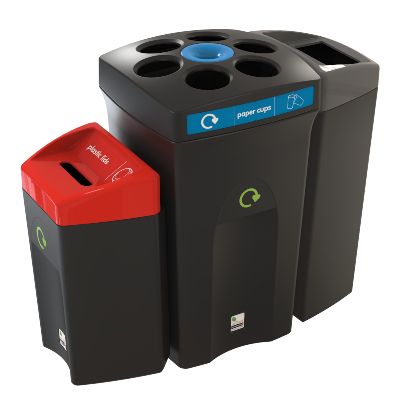
- This evergreen concept prioritizes our environment and the impact our workplaces have on it.
- There are countless studies on the benefits of bringing biophilia to your business space, from improved productivity to decreased absenteeism.
- In 2024, organizations with their fingers on the pulse of employee sentiment will be leaning into the concept of collaborative spaces.
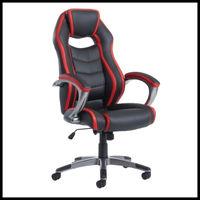
The chairs and seating category offers chairs and benches for offices, receptions, boardrooms, conference and production areas. Manufactured with guarantees up to 5 years with specialist posture, bariatric and anti-static seating products.
Now until February 2024 Furniture Essentials Sales Brochure!
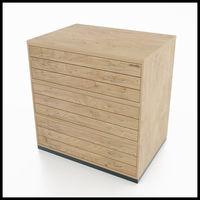
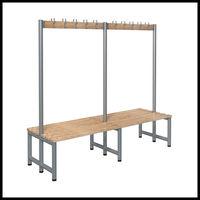
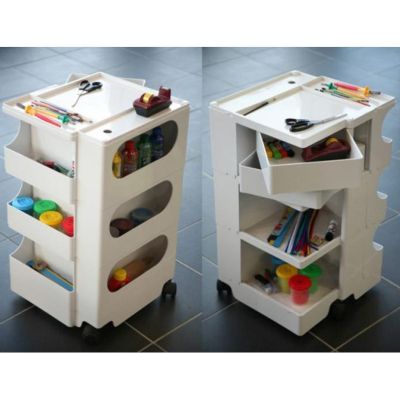
Educational and I.T. furniture that includes unbreakable coat hooks, rails, foldable stages and various storage equipment for plastic trays or computer equipment. Merlin offer industrial quality furniture designed for various educational ages along with cloakroom equipment manufactured in the UK.
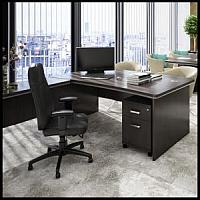
Merlin’s executive office furniture section contains furniture designed for senior management and directors, in both veneered and laminated woods. Manufactured for the individual who has additional space to encompass the larger desks and associated storage such as credenzas.
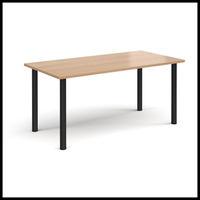
Merlin has a wide range of meeting room tables that include folding, modular, flip top and boardroom tables, with most available from stock for a quick delivery. Shaped tables can be quickly arranged into a training or conference room.
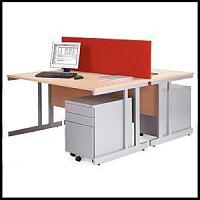
Office furniture can easily be added or subtracted from, allowing for quick changes to the office workspace. Merlin supplies modular furniture and accessories that are manufactured in the UK and Europe to reliable standards for extensive longevity.
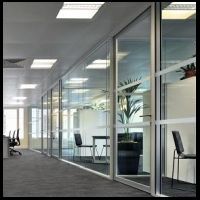
Office partition systems that include partitions manufactured using glass and wood, as well as temporary screens designed to separate open spaces. Merlin also has the acoustic pods that offer spaces for learning or working without noise from the surrounding areas.
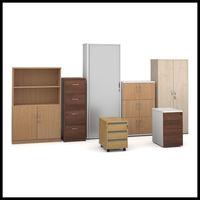
Office storage for paper, stationery and various equipment is essential for any modern office environment. We have a wide range of steel and wooden storage systems, including tambour door cupboards and wooden pigeonhole units.
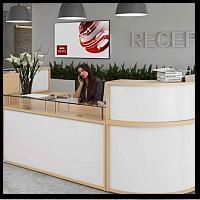
Reception furniture encompasses counter units from budget to designer and includes tables and seating, manufactured specifically for company waiting areas and available in different styles and finishes so that the reception area can reflect your companies’ ethos.
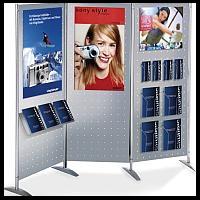
Screens and Dividing Panels manufactured for offices requiring desktop screens or freestanding acoustic and fire rated panels. With a wide range of models and colours, the office screens are upholstered in UK contract fabrics as well as wood, steel and glass options.